

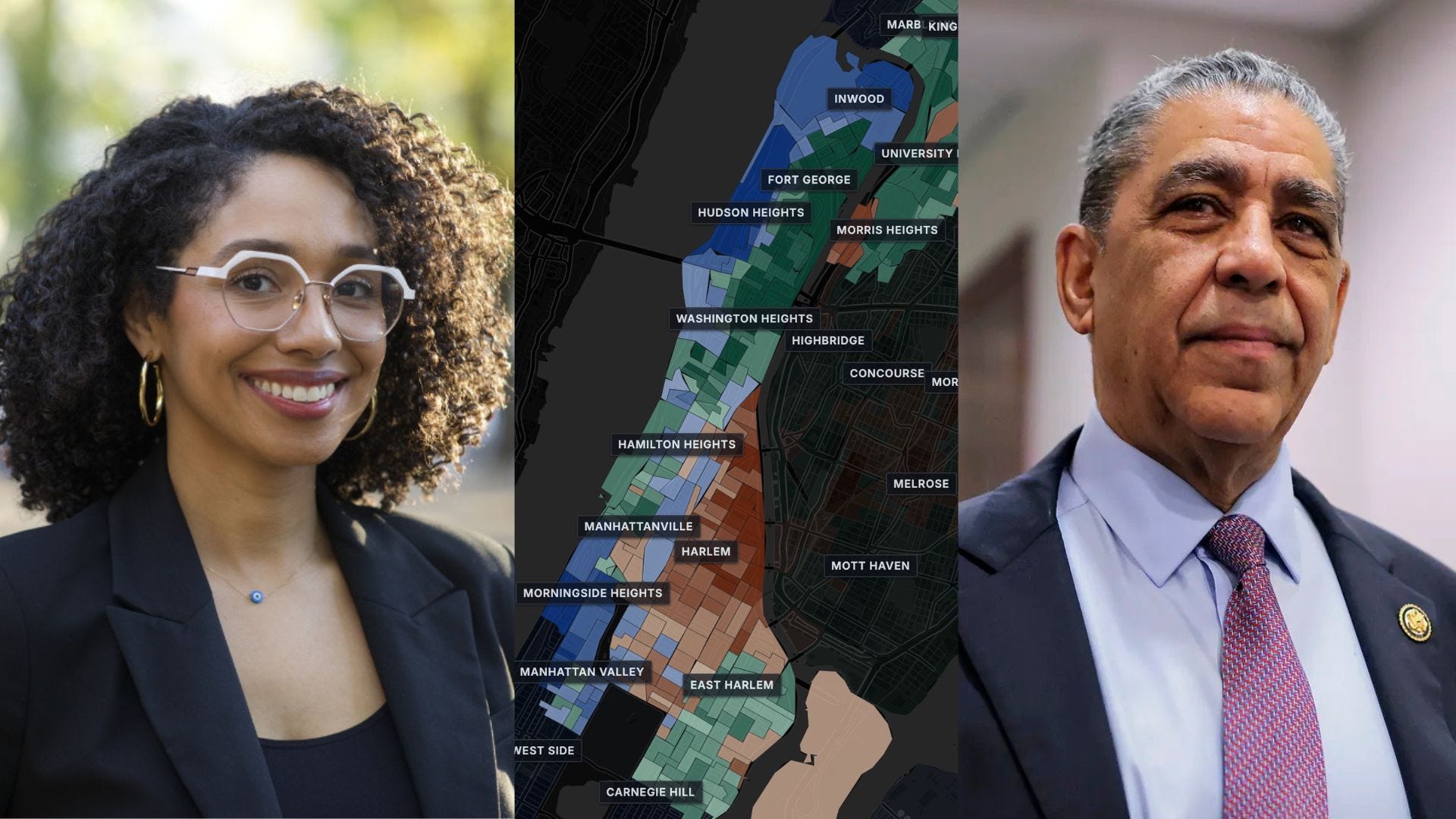
Every so often, an acquaintance will ask me a question so niche, yet so telling: what is the best Congressional District in New York City? And my answer might surprise you.
My first full-time job after graduating college was working for Nydia Velázquez, in the office of the 7th Congressional District (North Brooklyn, Western Queens); fittingly during the year when the district was, rather abruptly, redrawn and compressed into what would later become The Commie Corridor. I have lived the vast majority of my life inside the 12th Congressional District (Manhattan), attending church services on the West Side and school on the East Side. A hyper-competitive and fascinating race for the 10th Congressional District (Lower Manhattan, Brownstone Brooklyn), perhaps the most walkable stretch of the five boroughs, was an early boon to this newsletter. And the 14th Congressional District, of course, has the best representative.
All compelling places, to be sure, but none that can match the rich history and ethnographic tapestry of New York’s 13th Congressional District.
And on June 23rd, this district — spanning a thirteen-neighborhood patchwork across Upper Manhattan and the West Bronx — will decide the most interesting Democratic primary in the country, which pits Adriano Espaillat, the chair of the Congressional Hispanic Caucus and first formerly-undocumented member of the House of Representatives, against Darializa Avila Chevalier, a 32-year-old organizer backed by NYC-DSA, Justice Democrats, and Mayor Zohran Mamdani.
The story — a charismatic insurgent pushing a seasoned incumbent to the brink — is all too familiar. But the setting — an ethnic melting pot home to dueling political machines and a nascent progressive coalition — is unique.
Thus, the race for NY-13, between Espaillat and Avila Chevalier, deserves the closest of inspections: a rigorous attention to detail that reflects its near-infinite nuance.
And so, starting with the smallest sliver of the electorate, counting down to the most important, we begin our journey in the Bronx—oh wait, technically Manhattan.
Quick Note: I will reference the Mamdani vs. Cuomo mayoral results often (their respective performances are listed with each neighborhood), because the Mamdani coalition is Avila Chevalier’s aspirational ceiling: resounding young turnout, anchored by college-educated renters, and buttressed by genuine inroads among working-class Black and Hispanic voters. Cuomo’s coalition, and its reliance on older voters, is similar to Espaillat’s — with two important distinctions: Espaillat is far less beloved than Cuomo with older Black voters, but much stronger among older Dominicans.
#13 Marble Hill (Manhattan)
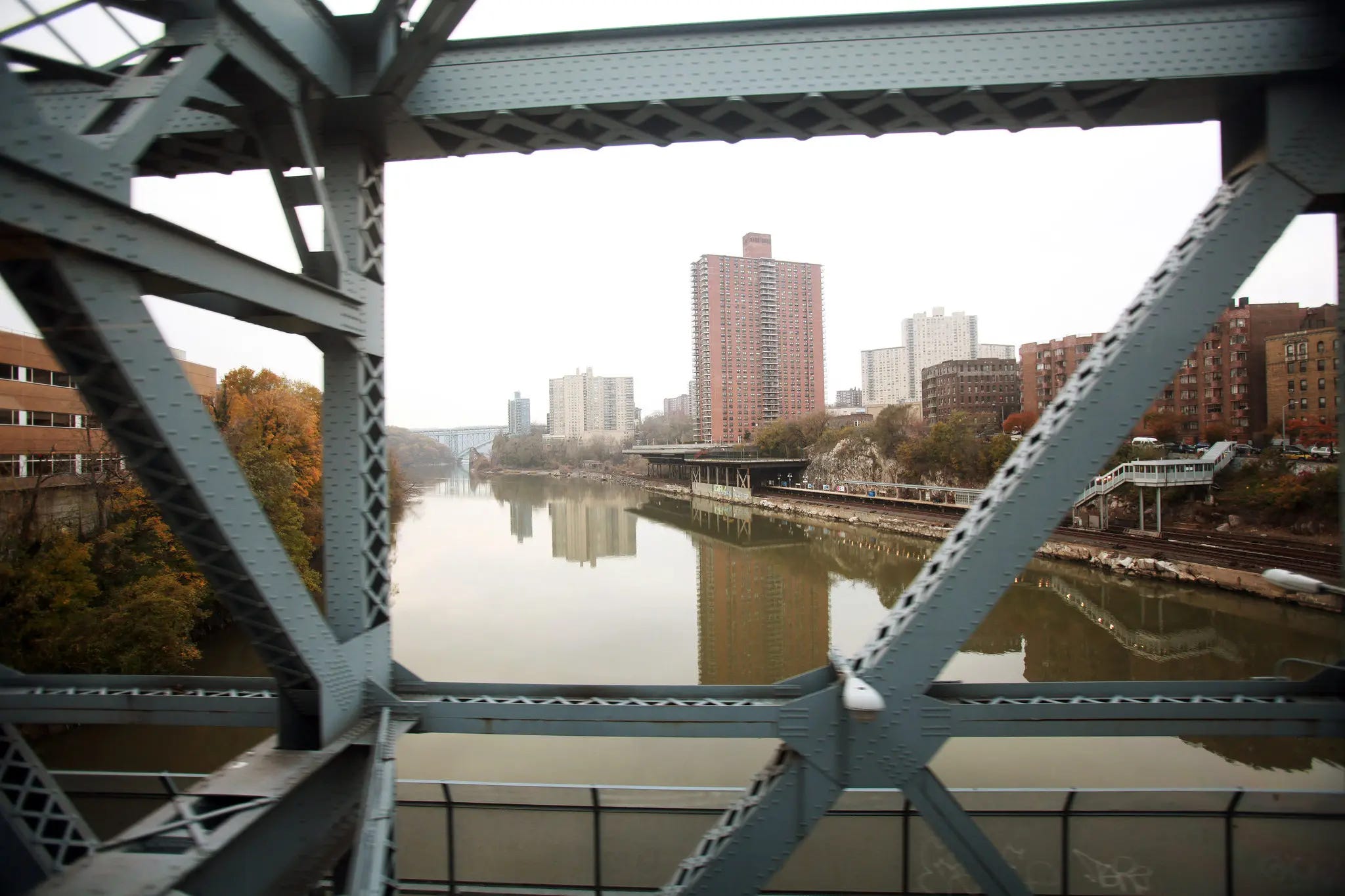
Share: <1%
Electorate: White ~12% / Black ~28% / Hispanic ~56%
Age: 18–49 = 35% / 50+ = 65%
R1: Mamdani 37% / Cuomo 48%
Final: Mamdani 46% / Cuomo 54%
Marble Hill is a footnote of New York geography: the only Manhattan neighborhood physically attached to the mainland, a three-block accident of the Harlem River Ship Canal’s 1895 routing that severed it from the island and then, in 1914, glued it to the Bronx with rocks dredged for Grand Central Terminal. Bronx Borough President James J. Lyons planted a Bronx flag here in 1939, calling the area “The Bronx Sudetenland.” In 1984, the State Legislature officially ended the dispute, declaring Marble Hill permanently part of Manhattan. Anchored by pre-war apartments and the Marble Hill Houses, a public housing development, Marble Hill is home to a longtime Dominican and West Indian population, layered onto older Irish and German roots.
Marble Hill, less than 1% of the electorate, will nonetheless be one of Espaillat’s best neighborhoods: primarily home to working-class, triple-prime seniors — 90% renters, with the lowest first-time-voter share and most pronounced age gap in NY-13.
Verdict: Espaillat will likely exceed Cuomo’s 54%, retrospectively an underperformance for the former Governor. Avila Chevalier should view Mamdani’s 46% as closer to a ceiling than a floor. The paltry 16% under-35 share, even in last year’s wave, makes the math challenging for Avila Chevalier in a lower-profile contest.
#12 Kingsbridge (The Bronx)
Share: ~1%
Electorate: White ~23% / Black ~11% / Hispanic ~59%
Age: 18–49 = 46% / 50+ = 54%
R1: Mamdani 43% / Cuomo 41% / Lander 7%
Final: Mamdani 52% / Cuomo 48%
The only Bronx neighborhood Mamdani carried in NY-13, albeit barely.
Kingsbridge is the Irish-turned-Dominican enclave at the northwest corner of the borough, named for the 1693 wooden toll bridge built by Frederick Philipse under a royal charter from William III. The Irish thinned out during the late 1970s, replaced first by Puerto Ricans and Cubans and now by Dominicans clustered along Broadway. But the texture endures: Gaelic Park hosts hurling matches on 240th Street, and the shamrock painted at 231st and Kingsbridge Avenue every St. Patrick’s Day is still a local tradition. Across generations, Kingsbridge has remained a Catholic community.
Verdict: Espaillat should flip Kingsbridge, still home to many Dominicans and older Democrats, earning a mid-to-high-50s margin. But Avila Chevalier has a real chance, particularly if she can win middle-aged white professionals (Riverdale-spillovers, cooperators) and keep Millennial and Gen-X turnout from cratering.
#11 Bedford Park (The Bronx)
Share: ~1.5%
Race: White ~11% / Black ~20% / Hispanic ~59% / Asian ~7%
Age: 18–49 = 40% / 50+ = 60%
R1: Mamdani 43% / Cuomo 46%
Final: Mamdani 49% / Cuomo 51%
Bedford Park was conceived in the 1870s as a garden suburb — its developers named it for Bedford Park, London, the world’s first such experiment — and the freestanding Victorian houses along Villa Avenue still nod, faintly, to that aspiration. By the 1920s, the IRT Jerome Avenue Line and the IND Concourse had transformed it into a middle-class Jewish, Italian, and Irish community along the Grand Concourse, the Park Avenue of the Bronx, home to both Our Lady of Refuge and the Convent of Mount St. Ursula. In the second half of the 20th century, Bedford Park became Dominican and Puerto Rican and then, more recently, Bangladeshi, Mexican, West African, and Albanian. Still, a Hispanic majority remains: close to two-thirds of residents speak Spanish at home, and more than one-third have Dominican ancestry.
Verdict: Espaillat has a path to outperforming Cuomo by five to ten points, predicated on strong margins among older Dominican and Puerto Rican Catholics. Avila Chevalier will live-and-die by her ability to turn out the Muslim (vital to Mamdani) and younger Hispanic voters along the Concourse. If she wins here, Espaillat is in big trouble.
#10 Morris & University Heights (The Bronx)
Share: ~3%
Race: White ~1% / Black ~33% / Hispanic ~59% / Asian ~6%
Age: 18–49 = 34% / 50+ = 66%
R1: Mamdani 32% / Cuomo 58%
Final: Mamdani 36% / Cuomo 64%
The worst neighborhood for Zohran Mamdani was not Harlem or the Dominican-dense precincts of Washington Heights, but the elevated plateau across the University Heights Bridge in the Bronx. Home to 1520 Sedgwick Avenue, the birthplace of hip-hop, and bounded by the Cross Bronx Expressway — Robert Moses’s infamous gash — both Morris and University Heights still bear the scars of a borough no longer burning. The Dominican, Black, Ghanaian, Nigerian, and Puerto Rican families along University and Sedgwick Avenues are the ones who stayed. Though its residents skew young, its voters are among the oldest in the borough. Almost everyone rents (94%), and college education is scarce (13%). In a borough defined by poverty, household incomes are the lowest in Morris and University Heights. Few neighborhoods shifted more towards Donald Trump in 2024.
Verdict: This is the heart of Espaillat’s older, Hispanic base in the Bronx, and anything less than a 65-35 split would be a five-alarm fire for the incumbent. Avila Chevalier has the canvassing advantage districtwide, but her operation is unlikely to pound the pavement as hard here. Older Black voters in public housing and the Fordham Hill cooperative will determine the margin.
#9 Fordham (The Bronx)
Share: ~3%
Race: White ~3% / Black ~26% / Hispanic ~63%
Age: 18–49 = 39% / 50+ = 61%
R1: Mamdani 38% / Cuomo 54%
Final: Mamdani 42% / Cuomo 58%
Fordham Road is the commercial heart of the West Bronx — the longest retail BID in the borough — and the neighborhood with the highest share of renters (97%), the lowest rate of college education (12%), and the lowest household income in NY-13.
Fordham University’s campus acts as a local but distant institution, whose imprint is barely visible in a Democratic Primary. Here, the electorate is predominantly older, moderate-leaning voters of color. At the street level, Albanian-owned pizzerias and cafes coexist alongside Dominican-owned bodegas and bars.
Verdict: This is the largest Hispanic electorate on the Bronx side of NY-13, and should presumably be one of Espaillat’s best neighborhoods. His apparatus is strong in the West Bronx, where most voters speak Spanish. Avila Chevalier’s inroads here will come from earned media and digital ads, rather than on the doors.
Her job is to keep the margin under 20 points.
#8 Kingsbridge Heights (The Bronx)
Share: ~4%
Race: White ~12% / Black ~23% / Hispanic ~58% / Asian ~3%
Age: 18–49 = 36% / 50+ = 64%
R1: Mamdani 38% / Cuomo 49%
Final: Mamdani 45% / Cuomo 55%
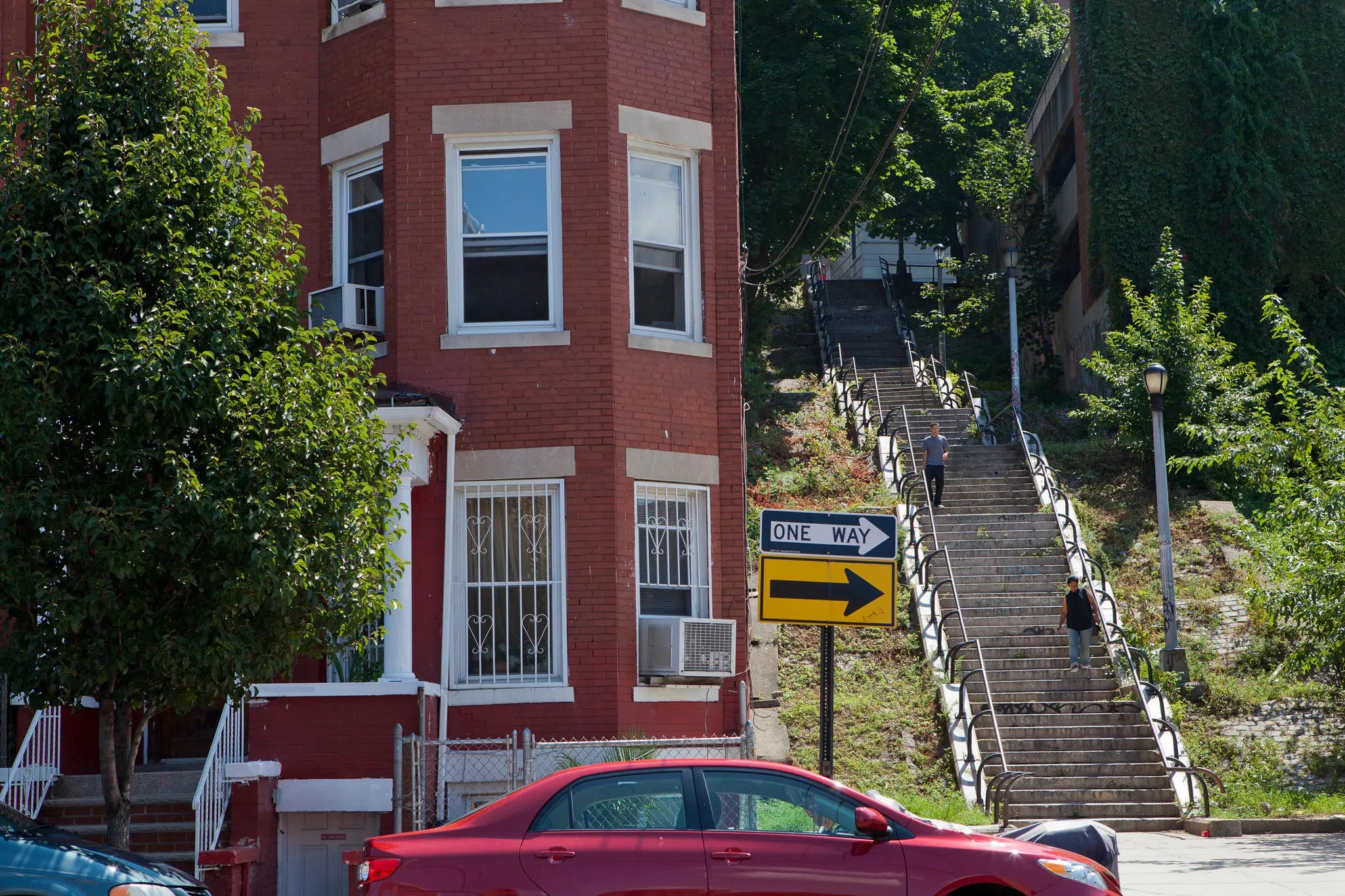
Kingsbridge Heights lives up to its name: defined by steep step-streets and the prewar walk-ups that line the Jerome Park Reservoir. Held together by a parish network that persists to this day, Kingsbridge Heights survived the worst of the fires that burned across the Bronx. With an intact housing stock, many voters over-65 (35% of the electorate) cast their ballots from the apartment houses their parents first rented several decades earlier. The Dominican majority runs along the apartment houses of Heath Avenue and Kingsbridge Terrace; older Irish and Jewish residents remain in Van Cortlandt Village, sandwiched between the park and the reservoir; while newer Ghanaian and Mexican families live along the eastern slope.
Verdict: Mamdani was competitive in Kingsbridge Heights because he won liberal cooperators along the northern edge of the reservoir. Avila Chevalier will have to replicate that, given Espaillat’s strength with the older Dominican voters.
He’s hoping for a 20 point win; she’s hoping for a 10 point loss.
#7 Manhattan Valley
Share: ~6%
Race: White ~52% / Black ~13% / Hispanic ~24% / Asian ~5%
Age: 18-49 = 45% / 50+ = 55%
R1: Mamdani 47% / Cuomo 27% / Lander 17%
Final: Mamdani 65% / Cuomo 35%
Median HH income $87,037; College 51%
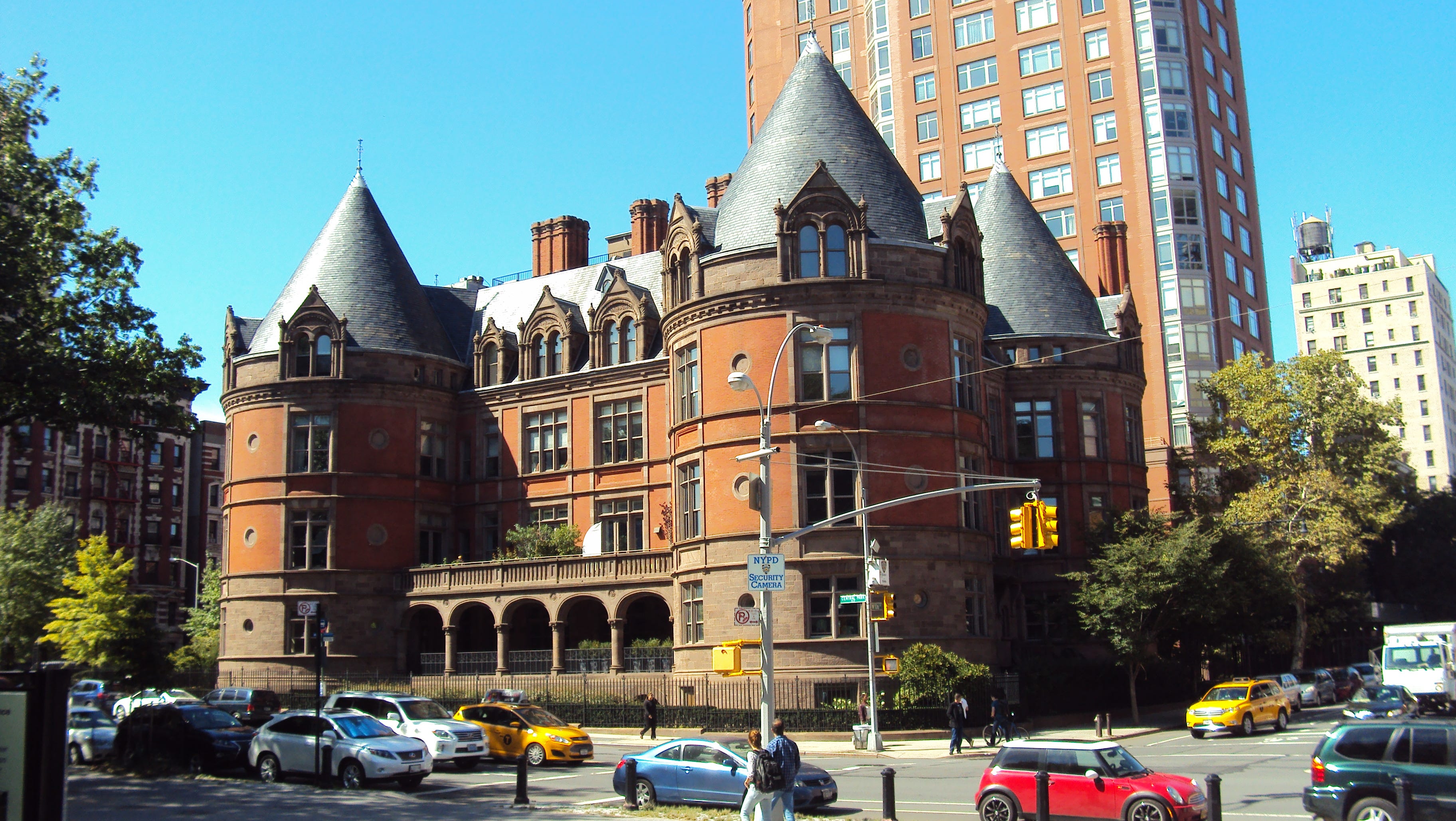
Now we cross back into Manhattan, into the first of seven neighborhoods that will, collectively, decide this election. Manhattan Valley is the southernmost tip of NY-13: a slice of the Upper West Side east of Broadway above 96th Street and below 110th. Historically known as the “Bloomingdale District,” Manhattan Valley resembles a museum of the pre-gentrification Upper West Side, cast as a decades-long war between the social-services industry and the brownstoning class. The Frederick Douglass Houses, one of Manhattan’s largest NYCHA developments, between 100th and 104th Streets, stand apart from what is otherwise an extended exercise in SROs being retrofitted, demolished, or converted into market-rate condos.
Manhattan Valley straddles the politics of “No Kings & No Cuomo” and “Commie Corridor Jr.” The neighborhood is home to many older liberals (31% of voters over-65) who found an affordable pocket in an increasingly unaffordable area, plus younger college-graduates (oftentimes from Columbia) and the Valley’s longstanding Hispanic population. The Primary electorate is majority white and college-educated.
Though Espaillat famously no-showed the local forums, Avila Chevalier still struggled to capitalize, failing to win a single club endorsement (neither Broadway Democrats nor Three Parks). Now, the Espaillat campaign and allied Independent Expenditures are hammering Avila Chevalier for her lack of experience and problematic old tweets.
Manhattan Valley is where that strategy will be tested.
Verdict: Mamdani’s 65% in Manhattan Valley is the ceiling Avila Chevalier must aim for, but she will need Lander voters to break decisively for her — far from a guarantee. Espaillat, whose presence in the neighborhood is non-existent, will rely on surrogates and sound trucks to get his message out.
#6 Inwood
Share: ~6%
Race: White ~44% / Black ~5% / Hispanic ~45%
Age: 18–49 = 46%, 50+ = 54%
R1: Mamdani 52% / Cuomo 30% / Lander 11%
Final: Mamdani 66% / Cuomo 34%
First-time voters: 16% (lowest), Median HH income $78,650
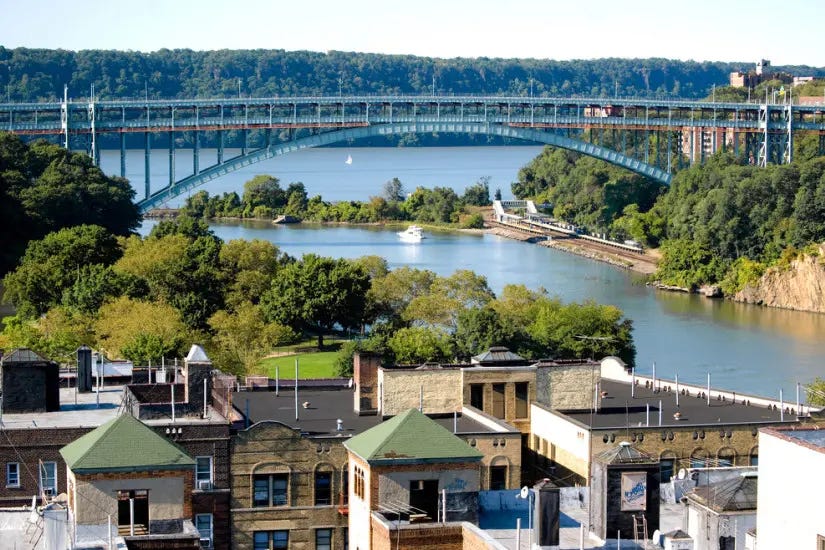
Inwood is the battleground state of NY-13, the only neighborhood that holds both coalitions in full, staring at one another across a single avenue, Broadway.
The New York Daily News once profiled Inwood, accurately, under the headline “One neighborhood, two worlds.” West of Broadway is the first world, a leafy retreat sequestered from the bustling commercial corridor, boasting an elevated terrace of well-kept co-op buildings, winding lanes, and picturesque parkland. Adjacent to the Park Terrace West cooperative sit the only detached suburban houses on Manhattan Island, Tudor-and-Colonial Revival cottages with gardens. The residents here are upper-middle-class professionals, civil service retirees, and younger families. Their presence in any electoral map is unmistakable: breaking for Mamdani by 41 points (58-17) in the first round before delivering a 66-point margin in the final round (78-22). These precincts are as progressive an enclave as you will find in Manhattan.
East of Broadway is the second world. The land slopes down toward the Harlem River into the bulk of the neighborhood’s rental apartments, neon-lit retail thoroughfares, and restaurants with music and hookah spilling from their windows. On a sticky summer night, folding chairs line the sidewalks, men crowd around a dominoes table, and mopeds race down the block. Predominantly lower-income, with fewer trees and more industry, this side of Broadway is nonetheless seeing rents climb fast enough to push Hispanic families across the University Heights Bridge into the Bronx. The electorate east of Broadway is 78% Hispanic with median household incomes around $50,000; almost everyone (98%) is confined to the renter class, and 40% of voters are over the age of 65. Predictably, Cuomo defeated Mamdani here, albeit by a smaller margin (57-43) than anticipated. When Espaillat said “Northern Manhattan has my DNA in it,” he was talking about these blocks.
On a hot summer day, the shaded and tree-lined streets west of Broadway will remain cool; while the surface temperature in the concrete jungle east of Broadway will approach triple digits, the only reprieve coming from an opened fire hydrant.
Verdict: Inwood is NY-13 stripped down to one neighborhood: the Espaillat coalition versus the Avila Chevalier coalition, separated by a single street. The arithmetic, on the surface, looks promising for Avila Chevalier: West Inwood casts two ballots for every one East Inwood casts, which is why Mamdani carried the whole neighborhood by a 2:1 margin. However, East Inwood is not generic establishment-friendly turf; it has been the core of Adriano Espaillat’s support for three decades. Without a doubt, the incumbent will resoundingly exceed Cuomo’s share among the older Dominicans who dominate the east Broadway vote. The race in Inwood is a contest of intensity: the voters in the west are higher-propensity and relish a midterm primary; but the east is the heart of the machine, and the Godfather is on the ballot.
#5 Morningside Heights & Manhattanville
Share: ~8%
Race: White ~52% / Black ~15% / Hispanic ~20% / Asian ~7%
Age: 18–49 = 48% / 50+ = 52%
R1: Mamdani 49% / Cuomo 24% / Lander 18%
Final: Mamdani 68% / Cuomo 32%
Median HH income $102,276 (highest); College 64% (highest).
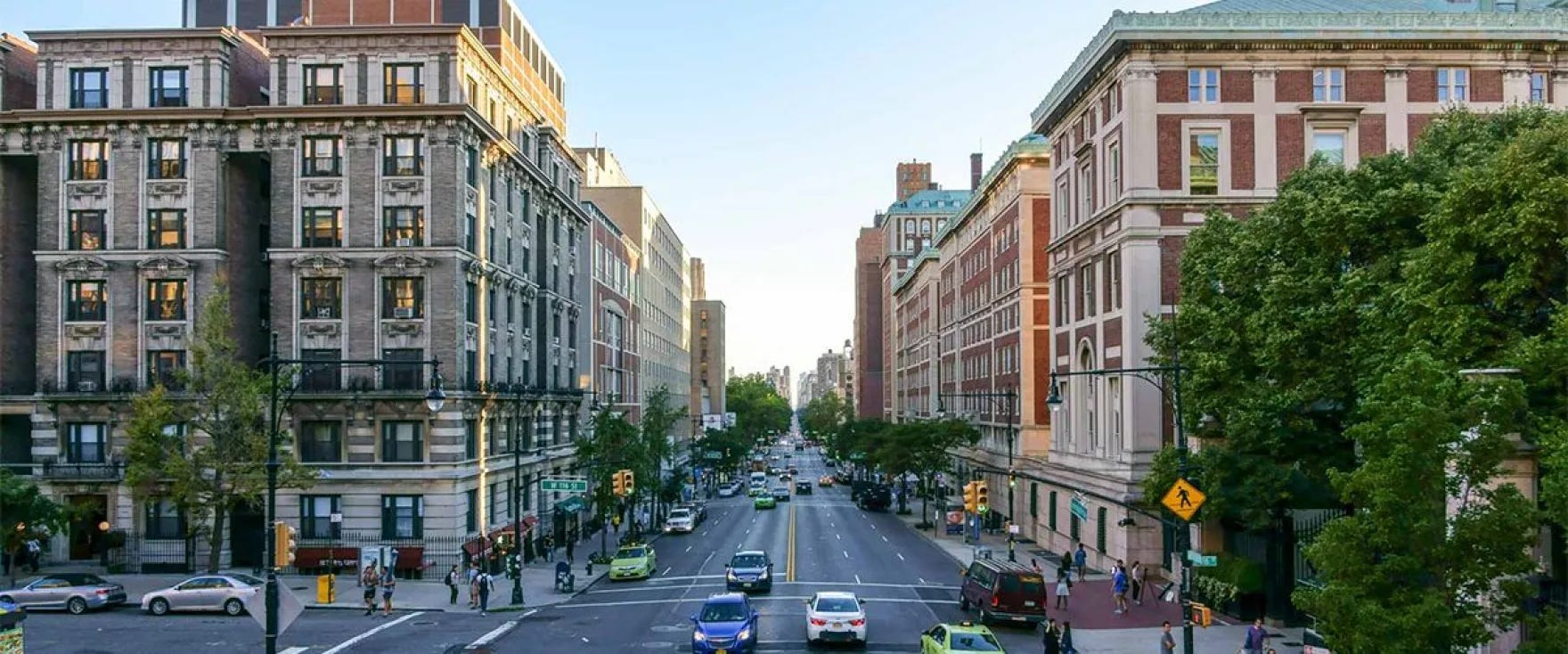
Morningside Heights is the half-mile plateau between Riverside Park and Morningside Park where an entire intellectual and spiritual community was assembled during the 20th century: Barnard College, Union Theological Seminary, the Jewish Theological Seminary, the Cathedral of Saint John the Divine, and Riverside Church.
Nonetheless, the neighborhood is widely known as the home of Columbia University, a revered Ivy League institution that simultaneously holds the dubious distinction of being the city’s largest landlord. Once upon a time, Columbia’s massive footprint was confined to Morningside Heights. But that, too, is changing. Now there is also Manhattanville, the 17-acre tract between 125th and 133rd Streets, that Columbia rezoned, condemned, and built out into a satellite campus.
This is Darializa Avila Chevalier’s home base. She graduated from Columbia in 2016, and later helped organize the 2024 Gaza encampment as an alumna, alongside her friend, Mahmoud Khalil. Following his unlawful ICE abduction and detention last year, Khalil’s case was taken on by the office of Rep. Alexandria Ocasio-Cortez, because his representative — Espaillat, a top recipient of AIPAC money — conspicuously declined. This story lives at the heart of Avila Chevalier’s campaign. Now, the anti-AIPAC super PAC, American Priorities, has released an ad where Khalil’s wife, Noor Abdalla, recounts the ordeal: “Congressman Espaillat left me in the dark.”
The commercial is designed to appeal to: (1) college-educated younger voters with pro-Palestinian messaging; (2) working- and middle-class voters with anti-ICE framing; and (3) older liberals and progressives who dislike AIPAC.
But the key tension here is whether Lander-supporting liberals come home to Avila Chevalier or sit out the primary. Despite sharing a commercial with Mayor Mamdani, there is no love lost between Avila Chevalier and Lander: the former Comptroller famously disavowed the October 8th rally that Avila Chevalier attended; whereas she wrote in her NYC-DSA questionnaire that she ranked Lander fifth on her mayoral ballot in protest “because of how he threw my friend Mahmoud (Khalil) under the bus and supported a policy of further NYPD surveillance.” Here, the avalanche of advertisements is intended to plant seeds of doubt about her fitness for office.
Verdict: Mamdani more than doubled up Cuomo in Morningside Heights, and Avila Chevalier will have to do the same to Espaillat. Her ability to appeal to older, Zionist Jewish voters with left-leaning politics will ultimately determine the margin. Columbia’s spring semester concluded in early May, and undergrads have already dispersed for the summer. New York has no same-day registration, but how many students registered to vote for Mamdani (last fall) and maintained their registration?
The answer will prove particularly consequential for Avila Chevalier’s fortunes.
#4 Hamilton Heights (incl. Sugar Hill)
Share: ~8%
Race: White ~35% / Black ~22% / Hispanic ~35%
Age: 18–49 = 54% / 50+ = 46%
R1: Mamdani 58% / Cuomo 26% / Lander 8%
Final: Mamdani 70% / Cuomo 30%.
Largest 18-34 Age share in Upper Manhattan
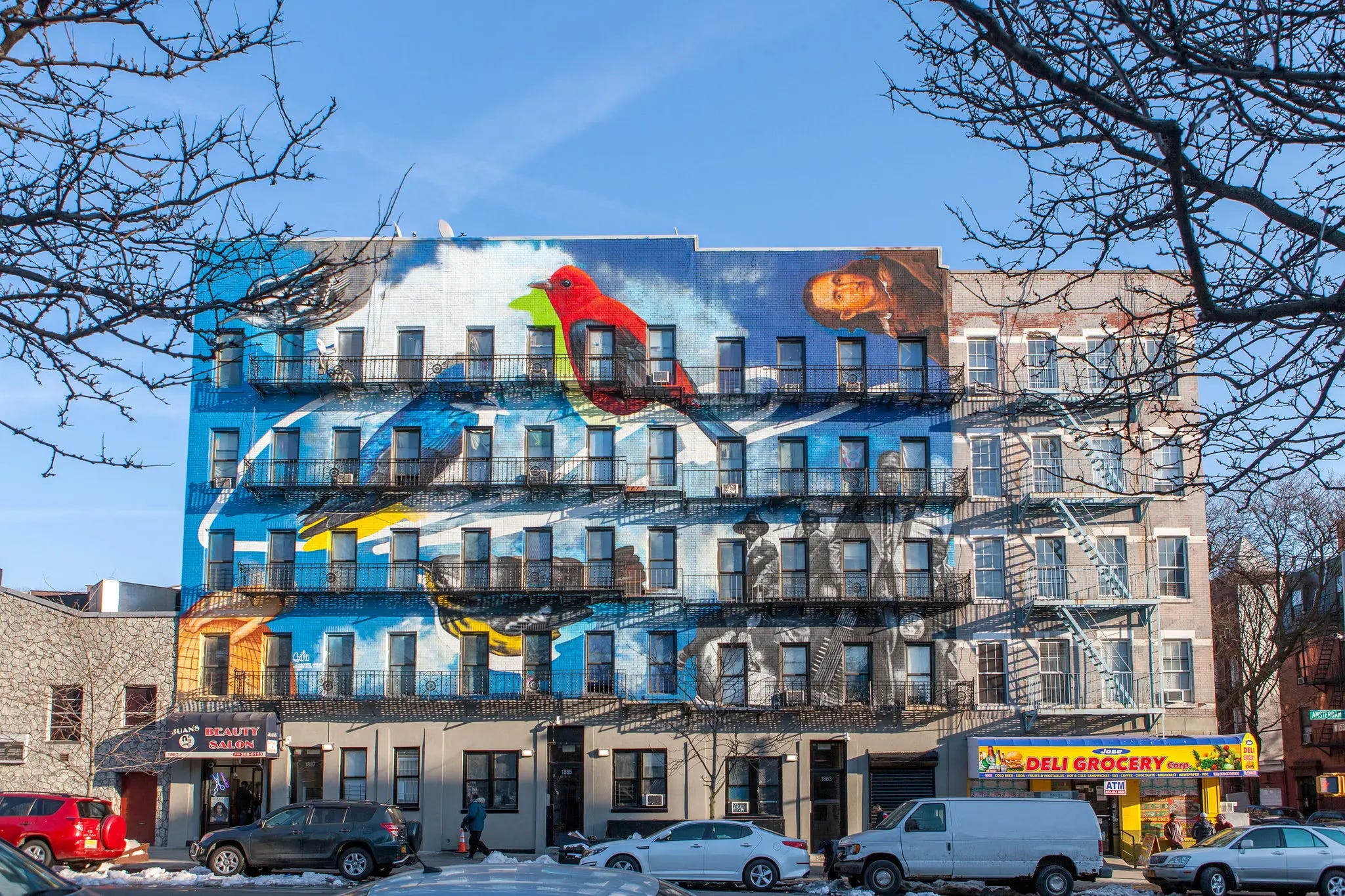
Hamilton Heights lies between Morningside Heights and Washington Heights, the site of Alexander Hamilton’s historic country estate, as well as the National Historic District of Sugar Hill, once the residential heart of Black America’s professional and creative elite (home to W.E.B. Du Bois, Thurgood Marshall, and Duke Ellington). And don’t forget about the Garrison Apartments at 435 Convent: the oldest continuously operating Black-founded, Black-owned, and Black-managed co-op in New York City.
But Sugar Hill is the high ground, economically and topographically, and it is only half the neighborhood. Walk west and Hamilton Heights resembles the uptown texture that defines Washington Heights and Inwood. Broadway and Amsterdam are lined with colmados and barberías, and restaurants serve tostones and mofongo.
Today, Hamilton Heights has the most demographically balanced electorate of any neighborhood in NY-13: ~33% White, ~24% Black, ~35% Hispanic; with both the youngest age split in Upper Manhattan (31% of voters under 35) and one of the highest shares of first-time-voters (25%). These blocks show subtle signs of gentrification: brownstone renovations along Convent Avenue and Riverside Drive, co-working cafés popping up along Amsterdam, HDFCs nabbed by young professionals, Columbia University buying up (and rehabbing) previously derelict apartments. The collision is generational, linguistic, and economic; today, it is “just as easy“ to order a Neapolitan pizza as a plate of fried green plantains on Broadway.
Prior to Mamdani’s rise, Hamilton Heights was akin to a political no man’s land — outside ethnically homogenous establishment bases in Washington Heights (Dominican) and Harlem (African American). Now, it is The Next Commie Corridor.
Verdict: This was Mamdani’s best NY-13 neighborhood in the first round of the Democratic Primary, the final round of the Democratic Primary, and the General Election. Hamilton Heights is where the Mamdani coalition most easily translates to Avila Chevalier; flush with college-educated renters, a progressive Brownstone class, and the young Hispanic voters who have become a signature of the new progressive coalition. For Espaillat to avoid a drubbing, the incumbent must make inroads with the remaining older Black voters in Sugar Hill. If Avila Chevalier can win Hamilton Heights by 30 points, she has assembled a broad, multi-racial coalition that can carry the district. But if she wins by only 15 points, she runs the risk of falling short.
#3 East Harlem
Share: ~14%
Race: White ~17% / Black ~36% / Hispanic ~37%
Age: 18–49 = 45% / 50+ = 55%
R1: Mamdani 45% / Cuomo 38%
Final: Mamdani 55% / Cuomo 45%
Median HH income $48,663; Renter 90%
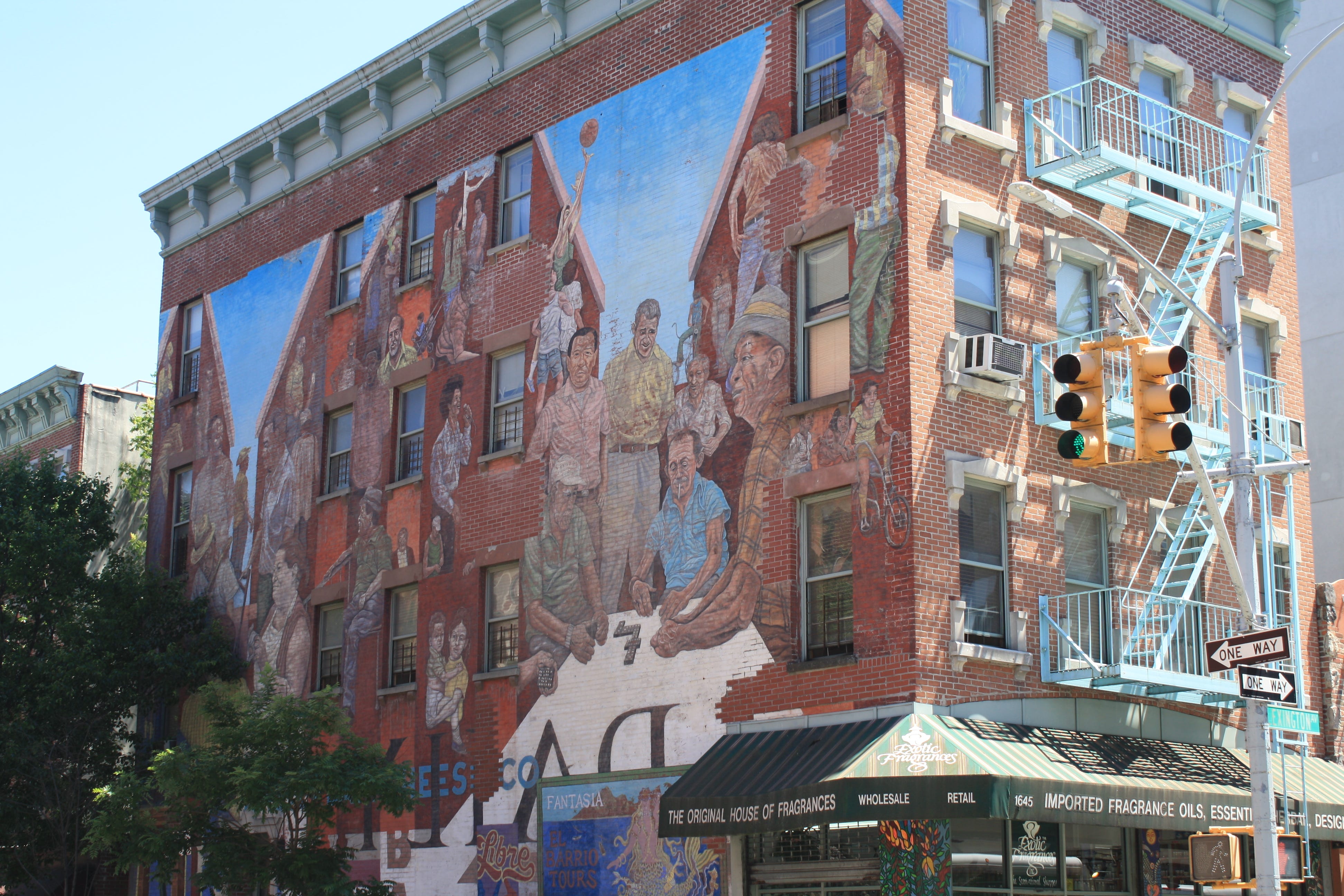
East Harlem is the oldest continuous Hispanic neighborhood in New York City, and the historic capital of Nuyorican New York. But before the Puerto Ricans arrived following the Second World War, East Harlem was an Italian stronghold, home to political mavericks like Fiorello La Guardia and Vito Marcantonio. Immigration has been endemic to the arc of El Barrio: first Italian, then Puerto Rican, then Dominican and Salvadoran, and in the 21st century, many Mexicans and Chinese.
Walk the commercial spine of El Barrio and its history permeates every block. 116th Street is now the heart of a growing Little Mexico: El Aguila, Café Ollin, and the tamale and taco vendors that mark the Mexican immigrants reshaping the neighborhood. Under the Park Avenue overpass lies La Marqueta, which hosted over 500 vendors in its heyday and will soon house one of the Mamdani administration’s municipal grocery stores. Pleasant Avenue is the last living block of Italian Harlem, reduced to the parish of Our Lady of Mount Carmel and Rao’s on the corner of 114th Street. Along the avenues the past and future collide: dollar stores across from chic taquerias, the Second Avenue Subway creeping north, public housing and condos sharing a skyline.
In fact, East Harlem is one of the most public housing-dense neighborhoods in the city, home to the Wagner, Johnson, Jefferson, Carver, Taft, and Washington Houses; traditionally a bulwark of Democratic primary votes for an incumbent.
And yet, the last time Adriano Espaillat faced any semblance of an opponent — two under-funded challengers in 2020 — he barely cracked 50% in El Barrio.
Verdict: East Harlem is the greatest unknown of any neighborhood, and credible arguments can be made for either campaign having the advantage. Far from the Espaillat heartland, Avila Chevalier will have more canvassers and volunteers on the ground, a monumental asset in a lower-turnout race. Nonetheless, the fundamentals of an older (and working-class) electorate still favor the incumbent. Toss-up.
#2 Washington Heights
Share: ~23%
Race: White ~40% / Black ~8% / Hispanic ~45%
Age: 18–49 = 48% / 50+ = 52%
R1: Mamdani 50% / Cuomo 32% / Lander 11%
Final: Mamdani 63% / Cuomo 37%
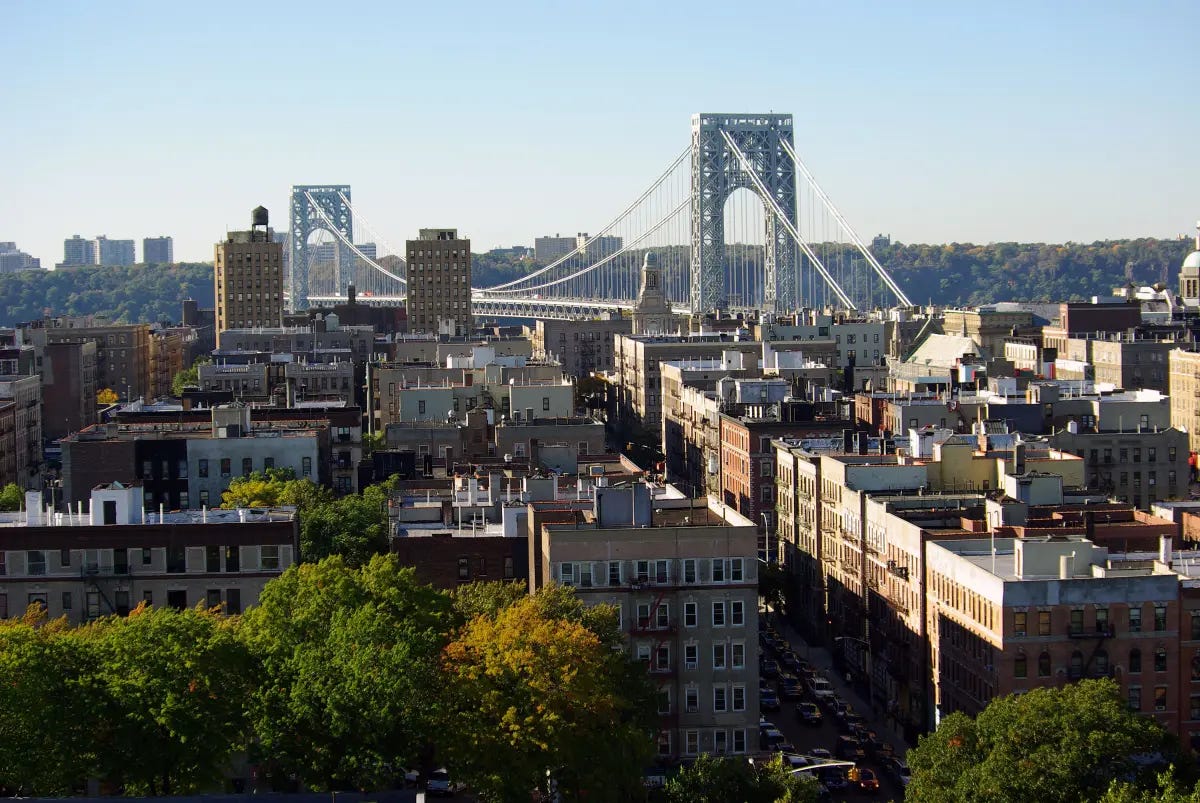
Washington Heights is two neighborhoods under the umbrella of one. The Dominican capital of the United States, Washington Heights contains ~23% of NY-13’s primary electorate — more than the entire Bronx portion combined. The neighborhood is both the heart of Espaillat’s machine and the epicenter of its most ardent resistance.
Washington Heights proper & Fort George (~17% of district):
Race: White ~28% / Black ~12% / Hispanic ~55%
Age: 18–49 = 47% / 50+ = 53%
R1: Mamdani 50% / Cuomo 37%
Final: Mamdani 59% / Cuomo 41%
90% renter, 35% college, median HH income $61,971
Washington Heights and Fort George are the Espaillat heartland: with an electorate that is 55% Hispanic and 90% renter, home to the most Spanish-speaking (and rent-stabilized) blocks in Manhattan. The “Little Dominican Republic” core runs along Broadway and St. Nicholas from 155th to 181st Street; lined with bodegas and barbershops, the aroma of cuchifritos, all to the soundtrack of merengue.
The crown jewel of Washington Heights is the United Palace on 175th Street, where Zohran Mamdani, then the Democratic nominee, hosted a rally there last October headlined by Espaillat, the dean of Dominican politics. After endorsing Cuomo in the Democratic Primary, Espaillat switched to Mamdani ahead of the General. Now, the Mayor has backed Avila Chevalier, reportedly breaking a promise to the incumbent.
Mamdani’s majority in Washington Heights and Inwood masked a pronounced generational divide in the Dominican electorate: north of 155th Street, he lost Hispanic voters over-50 by 6 points, but won Hispanic voters under-50 by a staggering 36 points. With even a directionally similar split, Avila Chevalier can win.
While a Hispanic supermajority remains east of Broadway, the presence of Columbia University’s medical center has spurred gentrification, particularly adjacent to J. Hood Wright Park and along Fort Washington Avenue. Last year, Mamdani won these renter-dense precincts by an overwhelming average of 50 points.
Still, the St. Nicholas Avenue corridor remains Espaillat’s firewall, and he’ll need a 30 point margin here to offset what will likely be significant losses in Hudson Heights.
Hudson Heights (~6% of district)
Race: White ~74% / Black ~2% / Hispanic ~17%
Age: 18–49 = 49%, 50+ = 51%
R1: Mamdani 48% / Cuomo 18% / Lander 25%
Final: Mamdani 73% / Cuomo 27%
74% college, median HH income $127,532, renter 66% (lowest)
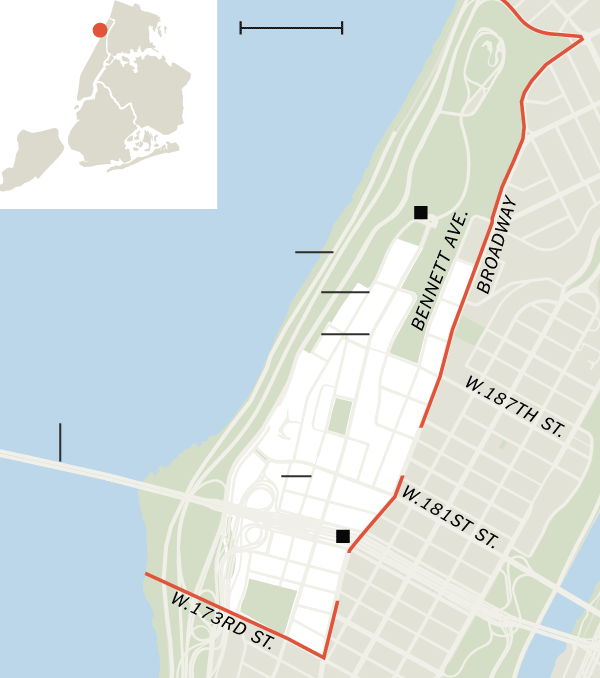
Hudson Heights is the Frankfurt-on-the-Hudson enclave above 181st Street, a high-ground plateau anchored by Bennett Park (Manhattan’s highest natural point), home to several middle-class cooperatives (Hudson View Gardens, Castle Village). Settled by German-Jewish refugees in the 1930s, the neighborhood was rechristened ‘Hudson Heights’ only in the 1990s: a real-estate-broker invention to attract “a different kind of buyer.” The demographic composition of Hudson Heights is stark when compared to the rest of the neighborhood that, literally, sits in its shadow: 74% White, 74% college-educated, with a median household income of $127K (more than double Washington Heights proper). Home to many middle-aged families and civil-service retirees, Hudson Heights is one of the city’s most progressive enclaves, which reflects the class politics of Manhattan’s West Side, where Mamdani’s vote share increased among white and Jewish voters the farther north he went.
Hudson Heights was also Brad Lander’s finest neighborhood in NY-13 (25% in the first round), but the elevated enclave is best known as a stronghold of Robert Jackson, the local State Senator. Jackson, a progressive Black Muslim respected for decades of educational advocacy, is revered among the progressives of Hudson Heights and Inwood, and has long been a foe of the incumbent Congressman. Now, he has put the full breadth of his support behind Avila Chevalier, who will need every bit of help to maximize her advantage here. While there are only ten election districts (block-level precincts where votes are tallied) in Hudson Heights, the volume of voter turnout is remarkable, as these few blocks alone account for 6% of NY-13’s electorate.
Verdict: Both candidates have a high floor in Washington Heights, but from very distinct pockets. Were Avila Chevalier to run up the score in Hudson Heights (let’s say 70-30), which I predict to be her strongest neighborhood, she could offset losses across the rest of Washington Heights (as high as 58-42).
#1 Harlem
Share: ~23%
Race: White ~24% / Black ~56% / Hispanic ~12%
Age: 18–49 = 50% / 50+ = 50%
R1: Mamdani 45% / Cuomo 33% / Lander 9% / Adams 8%
Final: Mamdani 60% / Cuomo 40%
Median HH income $72,162; College 47%; Renter 81%
We end where it all began: Harlem, the historic capital of Black America.
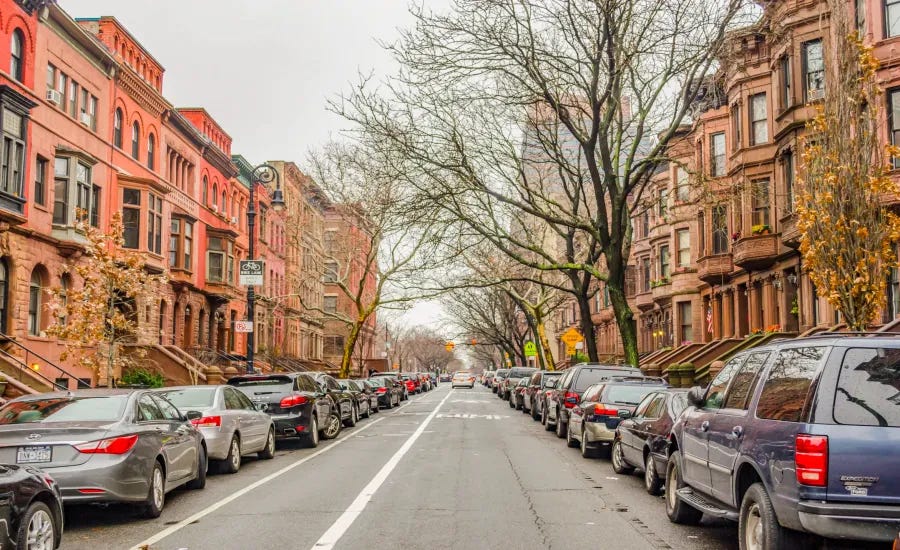
The landscape is part of our nation’s canon, home to: the Apollo Theater, where Michael Jackson and Aretha Franklin once performed; the Schomburg Center, dedicated to the research and preservation of Black culture; Abyssinian Baptist Church, whose pews hum with the sounds of gospel music every Sunday; and Strivers’ Row, the historic corridor of the African-American professional class.
However, the demographic arithmetic over the past three decades has been brutal to Harlem’s identity: from 1940 through 1990, Harlem was over 90% Black; today, less than half of the neighborhood is African American. The Whole Foods on 125th and Lenox has been open for almost ten years, while the Frederick Douglass Boulevard corridor (south of 125th Street) has been reshaped entirely, home to Levain Bakery, Douglass Elliman Realty, and a plethora of luxury developments. Unsurprisingly, the white population has doubled over the past decade, but the (predominantly Muslim) African immigrant population has grown too, stabilizing the Black population.
Harlem is the largest electorate — barely edging Washington Heights — of any neighborhood in NY-13, and the place where the campaign will be decided.
If Avila Chevalier is favored to win Harlem’s white voters (~26%), a combination of the progressive Brownstone class and college-educated renters, while Espaillat holds Hispanic voters (~12%), primarily clustered in public housing and along the neighborhood’s eastern edge, then the whims of Harlem, and most likely the election itself, will come down to the voters who have built the neighborhood as we know it.
Can The Left finally win the hearts and minds of older Black voters: the most ideologically moderate, institution-aligned bloc in the Democratic coalition? For the past decade, the reception from the party’s most loyal constituency to its insurgent left-leaning faction has been lukewarm, to say the least. And yet, there are signs, nowhere more so than in the Village of Harlem, that the times are changing.
Last summer, Mamdani won younger (under-50) Black voters in Harlem by 29 points, and only lost older (over-50) Black voters, a larger share of the electorate, by 6 points. Similarly to the breakdown of the Hispanic electorate, if Avila Chevalier can replicate Mamdani’s age-correlated inroads, then Espaillat will be in grave danger of defeat. Perhaps most notably, Mamdani activated (Black) Muslim voters across Harlem, particularly around 116th Street; another coalition piece Avila Chevalier can potentially mirror. Still, political science research has shown that, when given a binary choice, Black voters prefer incumbents in primaries more than other racial groups.
This is where the deluge of outside spending, much of it resurfacing deleted tweets about abolishing prisons and defunding the police, could genuinely hurt Avila Chevalier among an older electorate still getting to know her. “Fuck Kamala Harris” may be a common sentiment on the steps of Columbia University, but it will inevitably be, to some extent, a liability in the halls of Lenox Terrace and Esplanade Gardens. Mamdani, too, faced a similar avalanche of last-minute negative advertisements, which failed to dampen his support among Upper Manhattan’s working-class voters. However, even by the conclusion of the Democratic primary, Mamdani had achieved a remarkable amount of earned media — voters had heard, over and over again, directly from him — which helped insulate the insurgent from the attacks mounting against him. The concern for Avila Chevalier is that, in a lower-profile Congressional race, she is altogether a lesser-known candidate with okay name recognition, which makes her more vulnerable to an onslaught of ads seeking to define her negatively.
Nonetheless, Espaillat does not inherit Harlem’s Black voters cleanly, either.
The last time Espaillat was on the ballot in Harlem, the incumbent struggled to break 50%. And this time there will almost assuredly be a meaningful protest vote against him, too. For Espaillat, his critics charge, has spent a career building Dominican power at the expense of Harlem’s African-American establishment. And the wounds of the previous decade, which pitted Espaillat against Charlie Rangel first, and Keith Wright second, have not so much healed as receded into the background. With his career on the line, Espaillat is attempting to broker a truce with his erstwhile enemies, for the dueling factions that have long battled for control of Upper Manhattan politics now face a shared threat: the rise of NYC-DSA. Keith’s son, Jordan, the Harlem assemblyman, is also facing a democratic socialist challenger, Conrad Blackburn.
The Wright dynasty faces a fork in the road: (1) put old grudges aside, temporarily, to save Espaillat, knowing the incumbent is a marked man on the decline, and that NYC-DSA represents the greater long-term threat; OR (2) don’t lift a finger for Espaillat, dooming him to defeat, and then quietly plot to defeat Avila Chevalier in 2028.
Verdict: While voter turnout will decrease across NY-13 compared to the mayoral primary, I anticipate the dropoff will be the steepest in Harlem. But who would benefit the most from a lower turnout environment: Adriano Espaillat, assuming that equation favors older voters; or Darializa Avila Chevalier, whose supporters are more motivated? A voter cross-pressured between an incumbent they dislike and a challenger they do not know is a voter who, more often than not, will stay home.
Turnout, not persuasion, is the real battle.
If this campaign cycle has underscored anything, it is that Adriano Espaillat’s days in office are numbered. The machine that orbits him, once the envy of every boss, has been pushed to the brink by a political neophyte. Espaillat is an old-fashioned power broker, an ethnic trailblazer, the dean of Dominican politics. And for so long, that has been enough. But at some point, sooner than he would like, it will no longer be.
Either way, the era ends. The only question is whether it ends now.
On June 23rd, this rich tapestry — the bodega and the wine bar, the seniors and the socialists; the churches of African American political progress, the cathedrals of Dominican ethnic empowerment, and the college campus that radicalized its insurgent challenger — will be the stage for the dress rehearsal for who leads the Democratic Party. Soon, the thirteen neighborhoods of NY-13 will deliver the answer.
Connect With Me:
Follow me on Twitter @MichaelLangeNYC
Email me at Michael.James.Lange@gmail.com
Has any college hired you to teach the Demography of Politics?
GOTV drives elections in low turnout years and name recognition matters, and a foul-mouthed candidate turns off older voters…
I agree, this could be Espaillat’s last primary, unless he has numerous opponents…
BTW, you’re an excellent writer, I could smell your description of the neighboods
"The Bronx Sudetenland” made me literally LOL